
The past week’s unrest and protests across the Muslim world were largely the work of more puritanical Salafists, many of whom harbor as much ire against their own governments as they do against the West
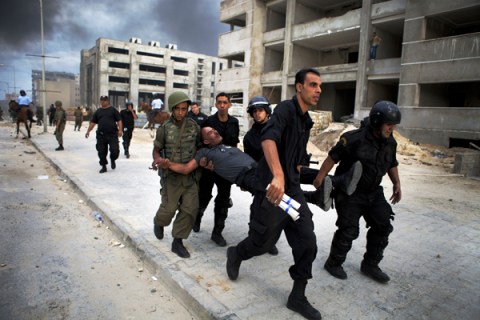
The past week’s unrest and protests across the Muslim world were largely the work of more puritanical Salafists, many of whom harbor as much ire against their own governments as they do against the West
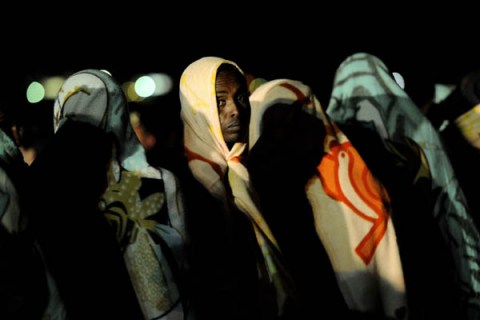
They would start to look like North Korea, says an Oxford professor
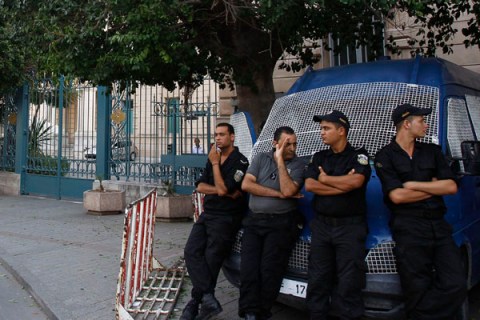
Charlie Hebdo’s offensive cartoons of the Prophet Muhammad led to protests and fears of violence across the Muslim world, including the place where the Arab Spring’s upheavals first began

Angola may be rich in oil, but it is also full of unexploded land mines
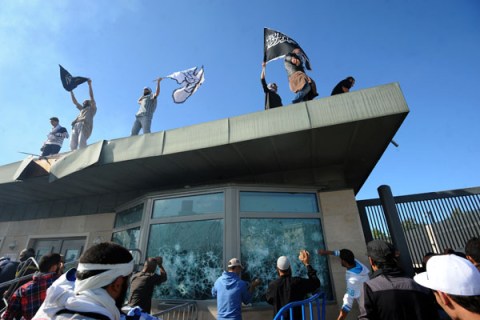
As hundreds of people swarmed the U.S. embassy in Tunis last Friday afternoon, the phone rang in the office of the country’s President, Moncef Marzouki. It was Hillary Clinton, pleading with him to help secure the American …
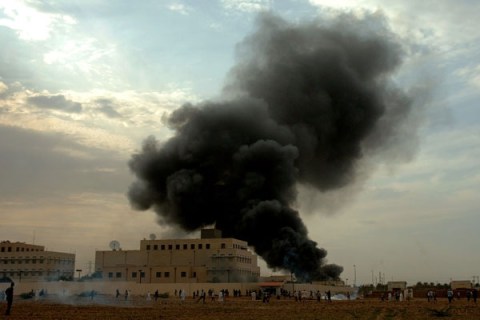
Muslim anger over the controversial anti-Muhammad video clip spread to Sudan. with a violent focus on the Germans
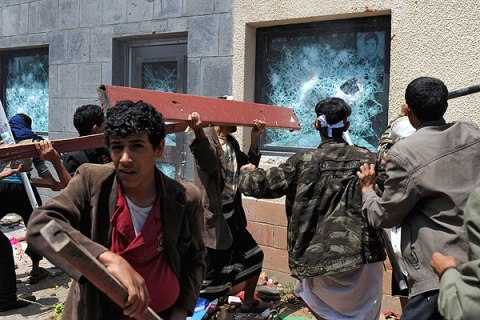
This week’s U.S. embassy attacks are the product of intense jockeying for power in an Arab political landscape riven with both new and familiar challenges. Here are five key lessons to take away from an ugly week
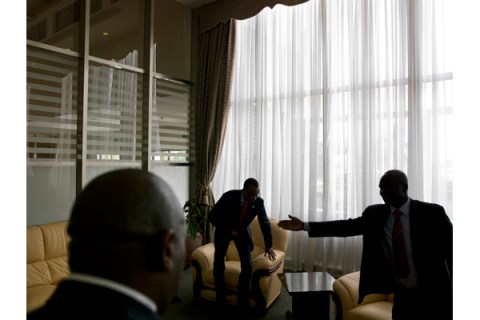
TIME’s Africa bureau chief, Alex Perry, talks about how he reported and wrote this week’s magazine story on controversial Rwandan President Paul Kagame
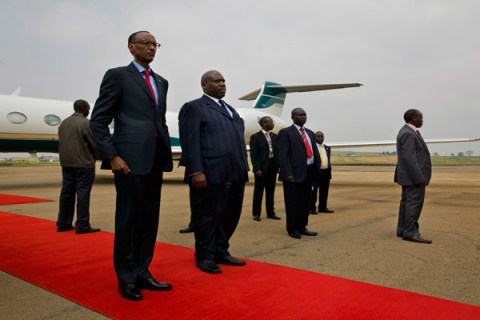
In the midst of a crisis over an army rebellion in eastern Democratic Republic of Congo (DRC), which the United Nations has accused Rwanda of supporting, Rwandan President Paul Kagame allowed TIME unprecedented access into his …
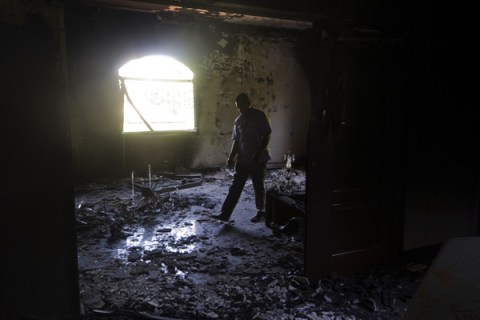
TIME speaks to the Libyan politician who had breakfast with U.S. Ambassador Chris Stevens on the day of the American’s death
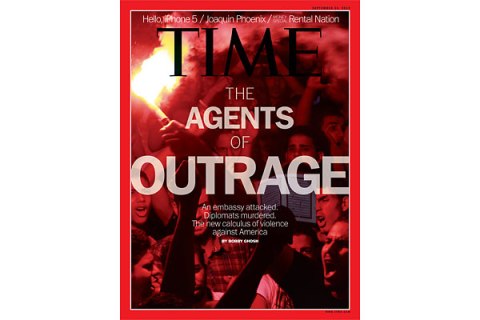
The deadly attacks on U.S. diplomatic outposts in Egypt and Libya raise the question, Did the Arab Spring make the Middle East more dangerous?
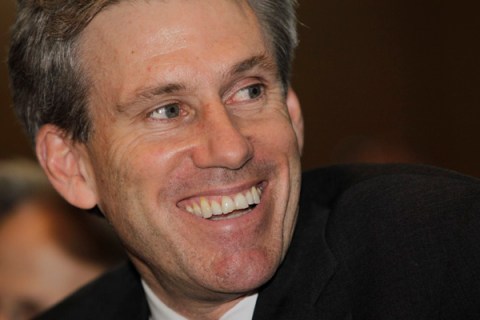
Courageous and optimistic, he knew the country he was assigned to like no other diplomat. His tragic death leaves an enormous hole in the American foreign service—and in Washington’s fitful dealings with the Arab world
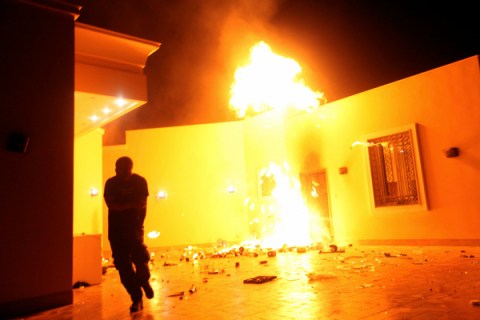
The birthplace of the Libyan revolution has become the scene of an American diplomatic tragedy. Who might be behind it?